
🤯 INCRÍVEL: Homophobic MIL Tries To Get Son’s BF Arrested By A Fake Cop Knowing He’s A Real Police Officer Himself 😲
You’d think that with the internet, media and pop culture… and also the fact that an estimated 200–300 million people worldwide identify as lesbian, gay, bisexual, transgender, and queer (LGBTQ+), the stigma would have faded by now.
But hear or read through real-life accounts and personal stories, and it becomes clear that the reality is quite concerning.
On Reddit, a man described how a stranger showed up at his door claiming to be a cop and attempting to arrest him over his relationship. Upon closer inspection, it was found that he was a fake cop sent by his boyfriend’s mother.
What this impostor did not know though was that the person he was trying to arrest was a police officer himself.
A man said his boyfriend’s mother sent a fake cop to their house to arrest him

Image credits: LightFieldStudios/Envato (not the actual photo)
The fake cop was quickly detained after the truth came to light
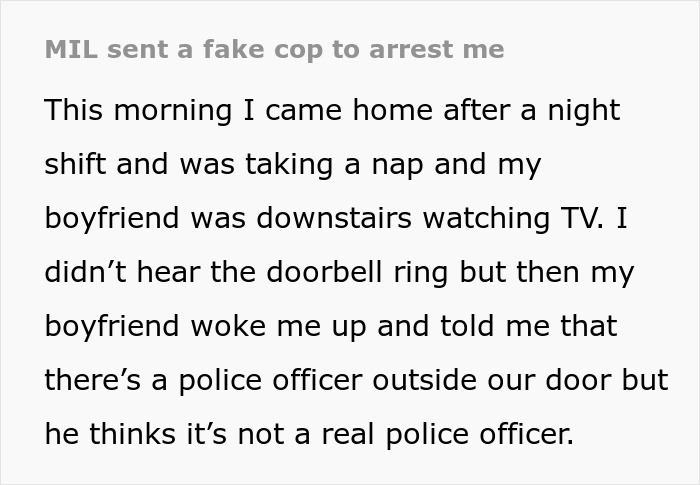
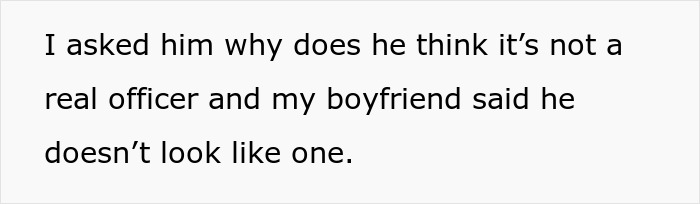
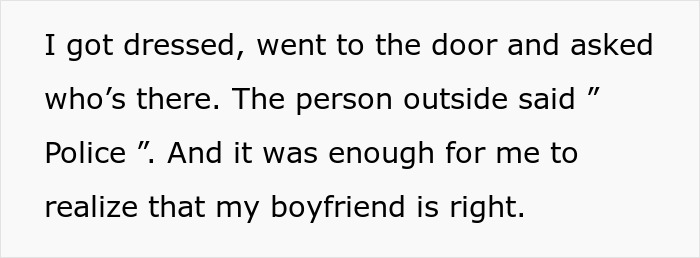
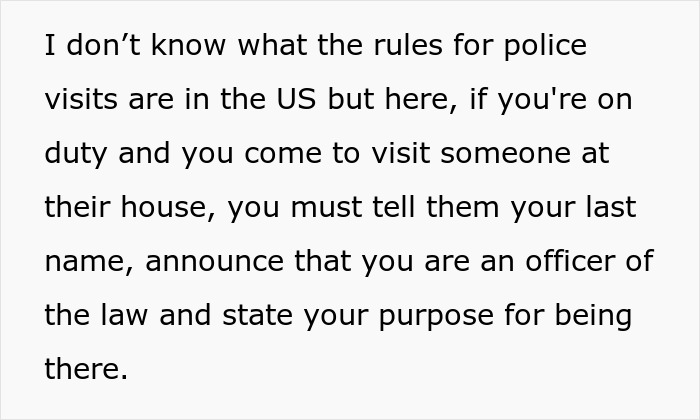
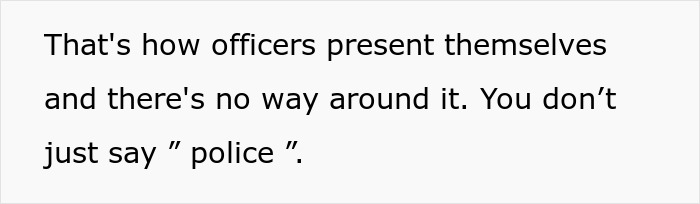
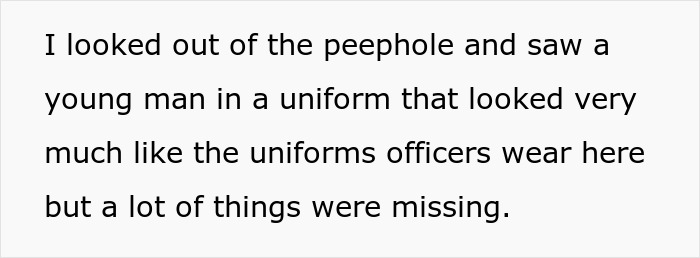
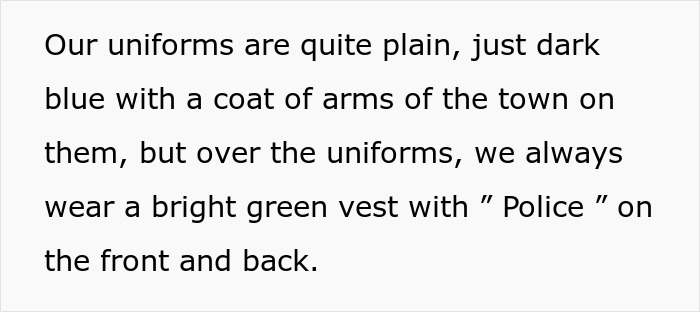

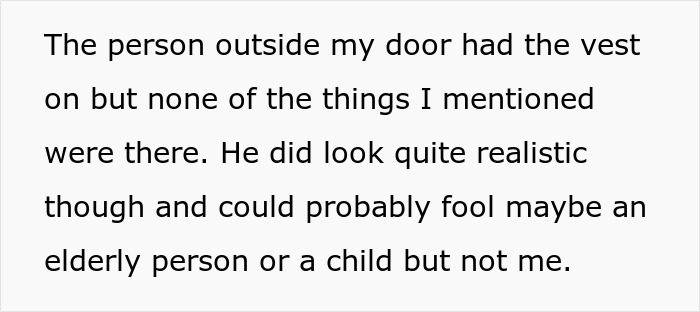
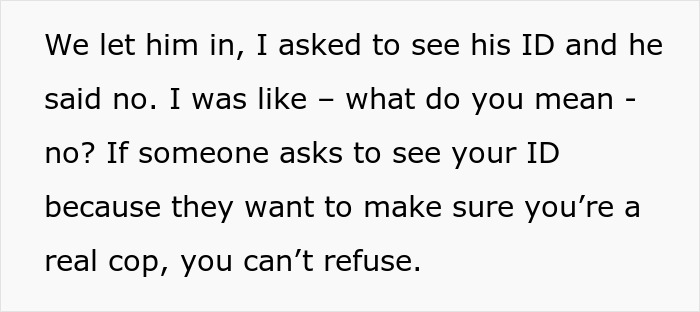

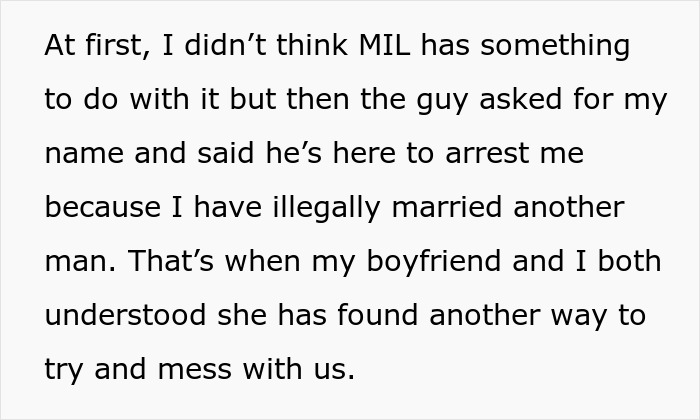
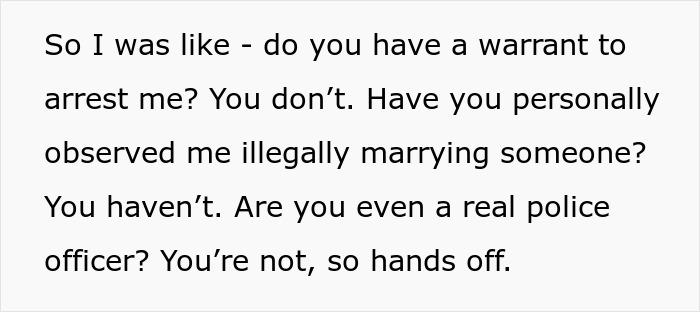

Image credits: WBMUL/Envato (not the actual photo)
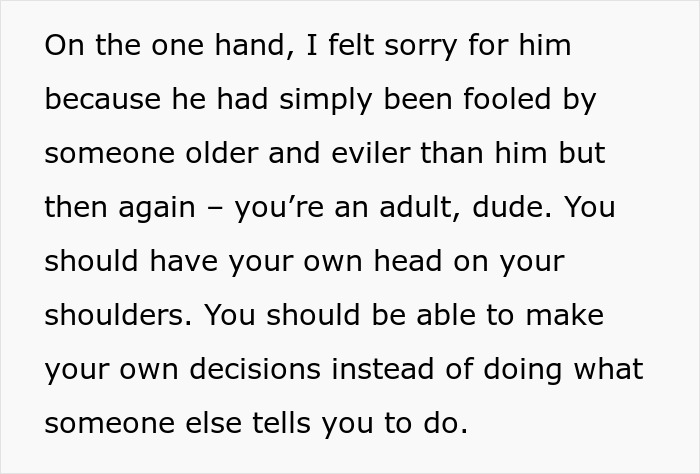
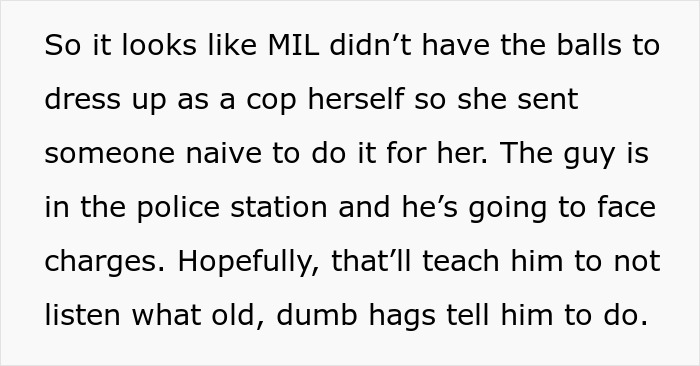
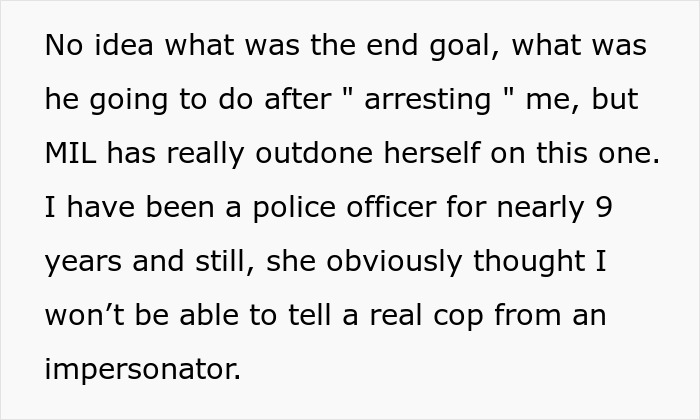
Image credits: LimePopcorn
Family reactions shape the lives of many LGBTQ+ people
For many LGBTQ+ people, the first challenge often isn’t public acceptance, but what happens at home after they come out.
The official census in the UK in March 2021 showed that over 1.3 million people in England and Wales identified as lesbian, gay, or bisexual. But even in places where visibility and legal recognition have improved, family acceptance can still be uncertain.
A survey, for the charity Just Like Us, found that 46% of LGBT+ people in the UK were no longer in contact with one or more family members. And almost 31% said they were not confident of a positive response from their parents when they came out.
“As LGBT+ people, many of us know the anguish that the breakdown of family relationships causes us when we’re not accepted for who we are. It’s sadly a common myth that being LGBT+ is easier today, when in fact many LGBT+ young adults remain fearful of their parents not accepting them, with almost half estranged from at least one family member,” Amy Ashenden, the interim CEO of Just Like Us, said.
Rejection can take different forms depending on the family. Research shows that many LGBTQ+ youth experience verbal hostility and emotional withdrawal. In some cases, parents or caregivers also try to pressure or manipulate them to change their identity (for example, using tactics like conversion therapy). This can also include restricting relationships or enforcing gender norms.
In other cases, it can escalate to kicking the child out of the home, efforts to control or disrupt their personal life, and creating situations to intimidate or isolate them.
There’s a ton of research that shows how parental support is especially important for LGBTQ+ children. They are more prone to experience bullying, violence or rejection when compared to heterosexual youth. This means they’re also more likely to experience problems related to their mental and physical health.
And parental rejection makes these outcomes even worse. In a recent survey in the US, 58% of LGBTQ+ youth reported symptoms of depression, while 73% reported symptoms of anxiety.
Research shows that parents with strong traditional views on gender roles are more likely to reject an LGBTQ+ identity.
Other reasons can include fear of judgment from their community or religious beliefs. Some parents also hold the belief that romantic orientation or gender identity is a choice, or is shaped by a child’s environment.
Religious beliefs and cultural norms have also been cited as some of the strongest factors, particularly where heterosexual marriage is seen as the only socially acceptable path.
Image credits: Lareised Leneseur/Unsplash (not the actual photo)
The thin line between family concern and controlling behavior
Experts suggest creating strong boundaries in such situations, including reducing contact, and involving outside support if the behavior continues.
“I’m going to go against the grain of society here and tell you that you don’t actually owe it to your parents to sacrifice your health and well-being for their wishes and desires… Taking steps in setting boundaries can feel hard, scary, anxiety provoking, and yes, can bring up feelings of guilt. (But) you are allowed to take steps to take care of yourself. In fact, it’s vital that you do,” says Kate O’Brien, LCAT, a licensed therapist in New York.
But sometimes, parental rejection can also escalate beyond disagreement into harmful behavior. For instance, the woman described in the Reddit story went above and beyond to get rid of her son’s boyfriend. While her control began with little acts of meddling, she quickly resorted to using violent and illegal ways to break off their relationship.
This is when a parent is no longer just difficult, but a legitimate threat.
In such scenarios, legal measures, such as restraining or protection orders, are commonly used to enforce stricter boundaries.
While this Reddit story may feel extreme, it also reveals patterns that LGBTQ+ advocates and researchers have been documenting for years.
Despite increasing visibility and social acceptance in many parts of the world, prejudice can still shape personal relationships. And these relationships can have very real consequences for a person’s wellbeing and safety.
Image credits: A. C./Unsplash (not the actual photo)
The man gave some more info in response to the comments
Many people reacted with surprise and outrage at the absurdity of the whole situation
The man gave another update about his partner’s mother a few days later
Image credits: Getty Images/Unsplash (not the actual photo)
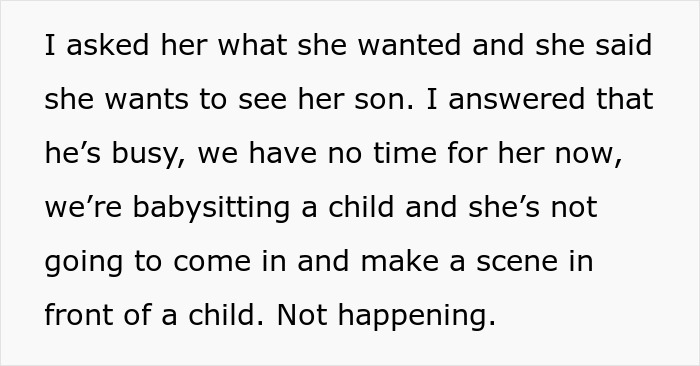
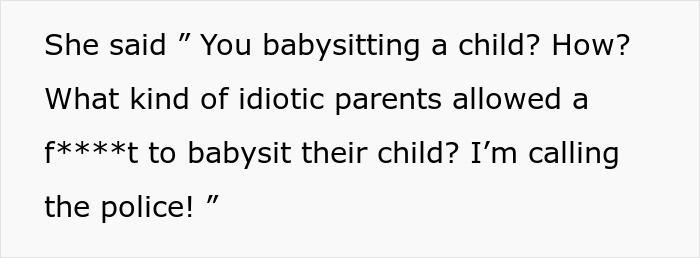
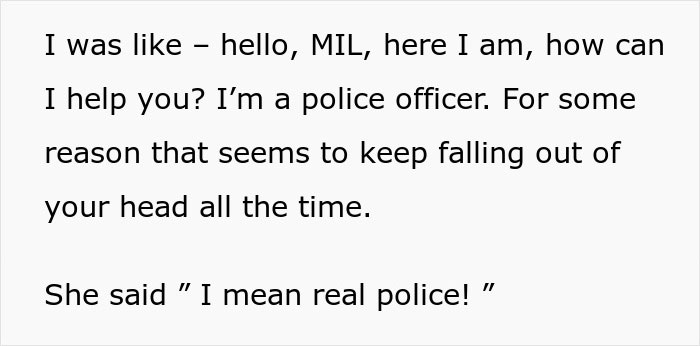
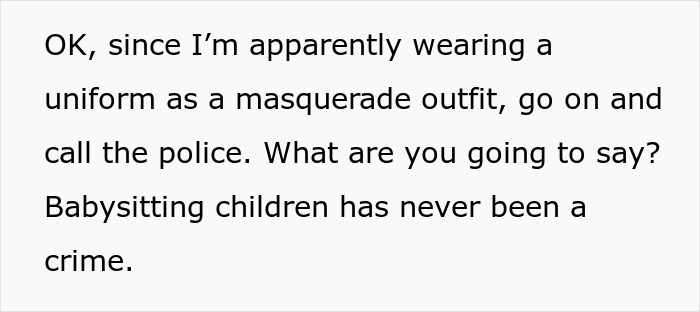
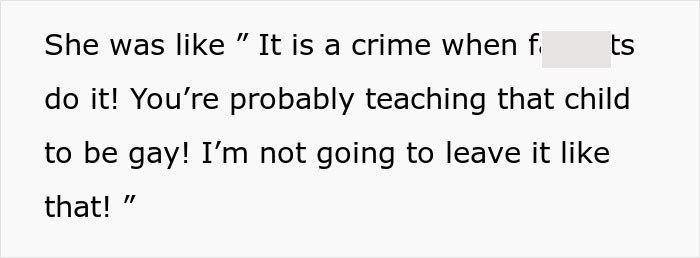
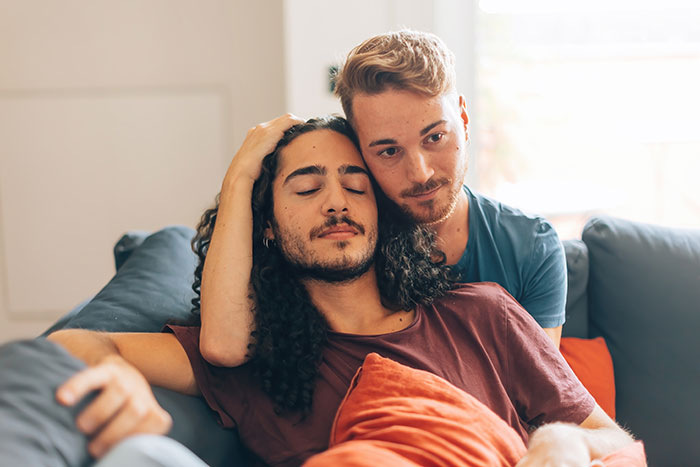
Image credits: carlo_p/Envato (not the actual photo)
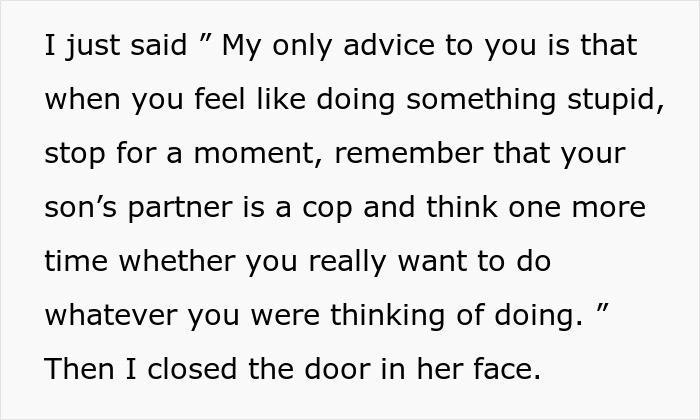
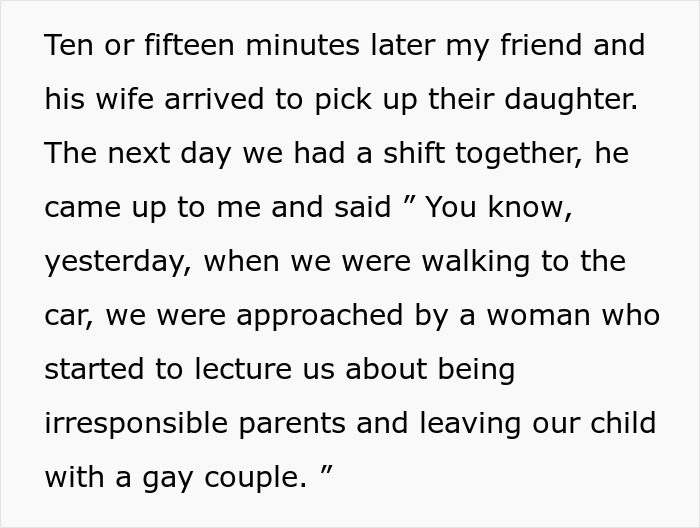
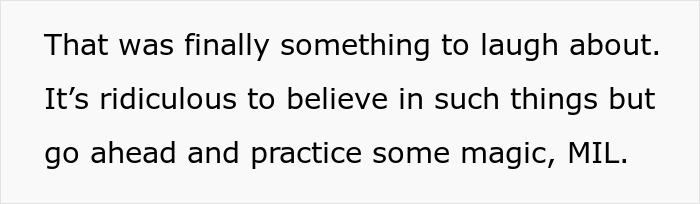

Image credits: LimePopcorn
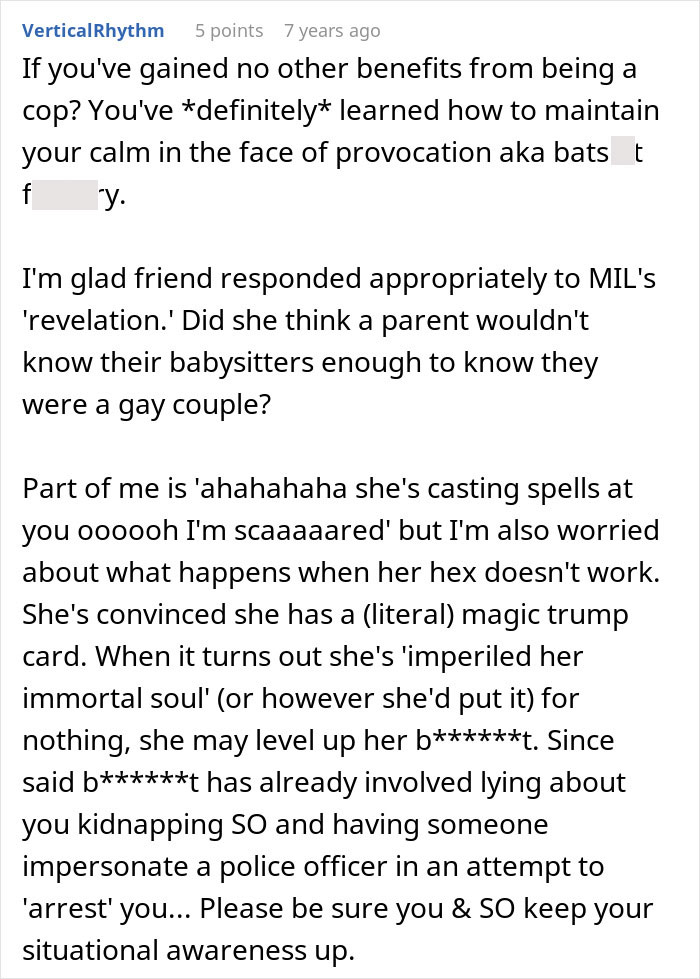
Many people mocked and shamed the MIL in the comments
📢 Gostou da notícia? Compartilhe com os amigos!
Este artigo é uma tradução automática de uma fonte original. Para ler o conteúdo na íntegra: Clique aqui.