Like a waterproof watch or good insurance, some things seem rather useless until that one time they really pay off. Unfortunately, while crime has become increasingly rare, that doesn’t mean one shouldn’t still exercise some amounts of precaution.
An ex-FBI agent went viral for sharing a series of safety tips predominantly for women, but also useful for anyone else. So get out your favorite method of taking notes, take a quick glance behind your back and be sure to leave your own ideas and experiences in the comments down below. More info: Instagram
Criminals do have certain criteria when selecting a victim
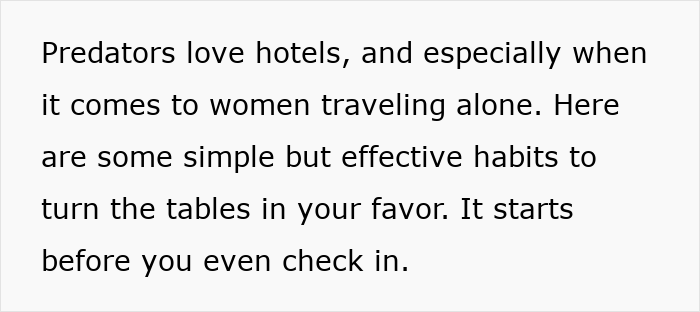
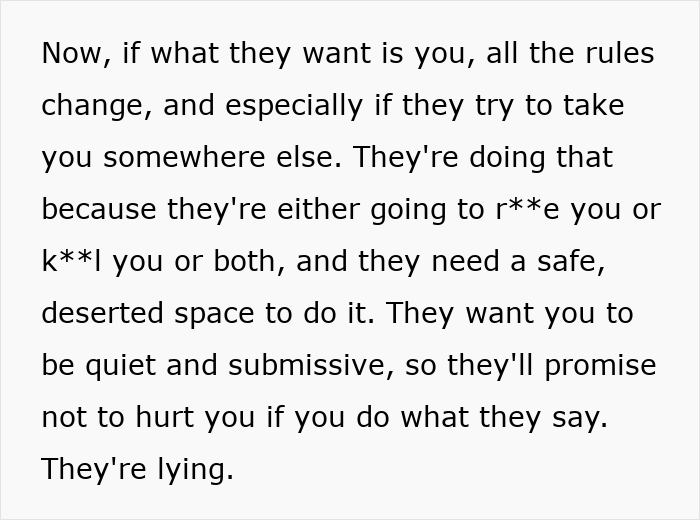
Retired FBI agent outdoors sharing safety tips for women with text about predators and hotels in the background.
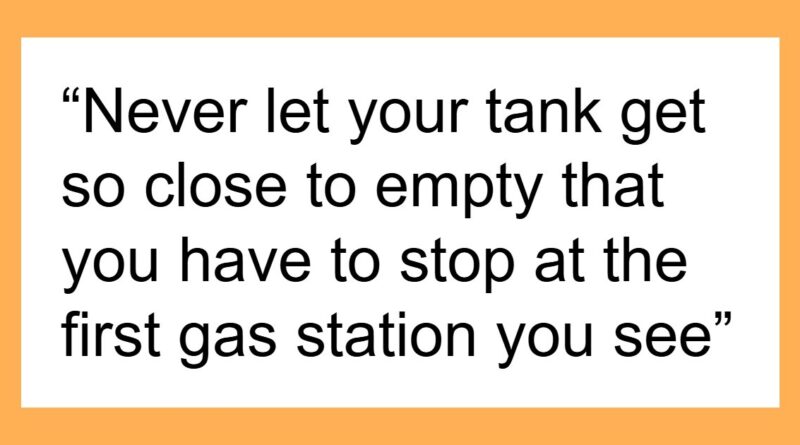
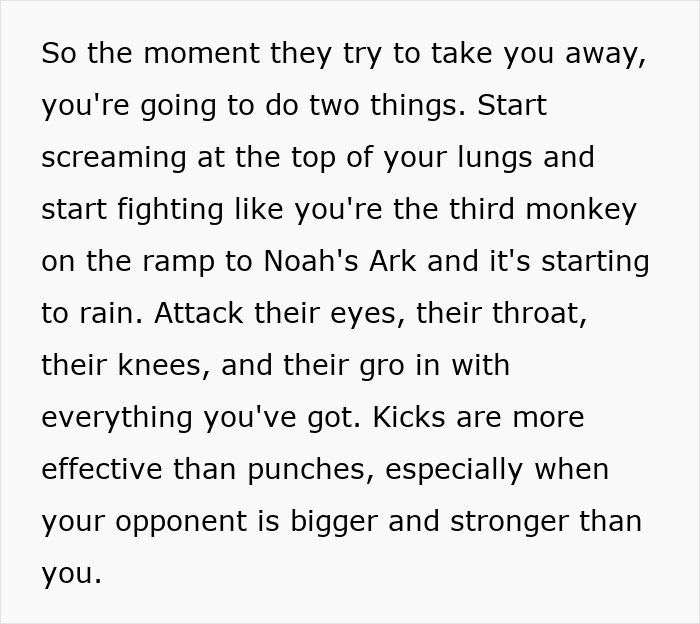
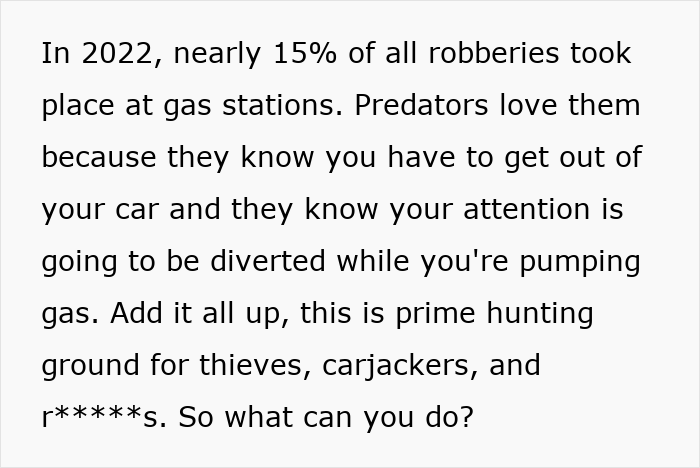
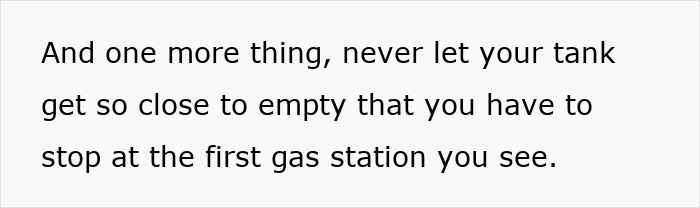
Text explaining robbery risks at gas stations in 2022 with safety tips from a former FBI agent for women.
ADVERTISEMENT
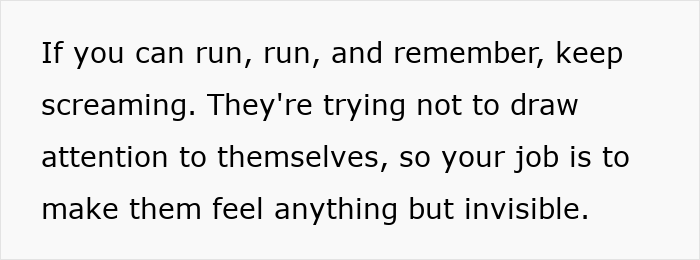
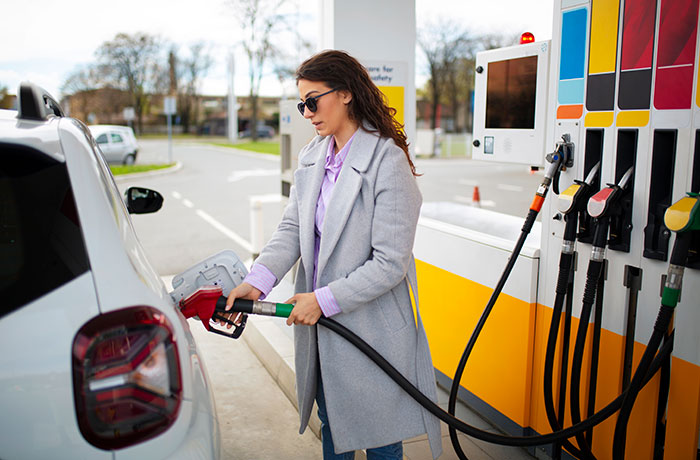
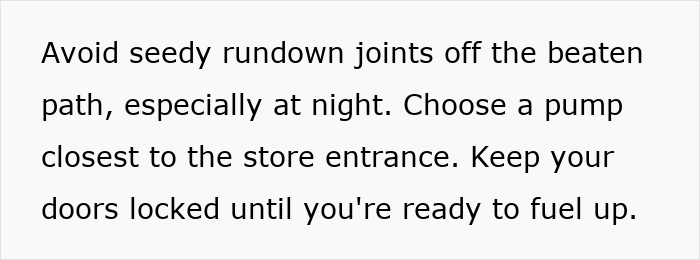
Text image with safety tips for women from a former FBI agent advising to avoid seedy gas stations, choose pumps near entrances, and keep doors locked.
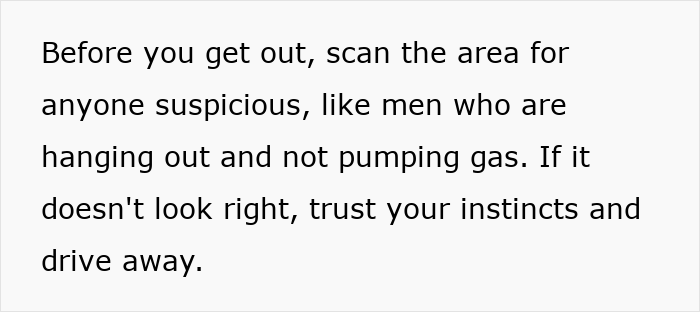
Text advice from former FBI agent sharing safety tips for women about trusting instincts and scanning for suspicious behavior.
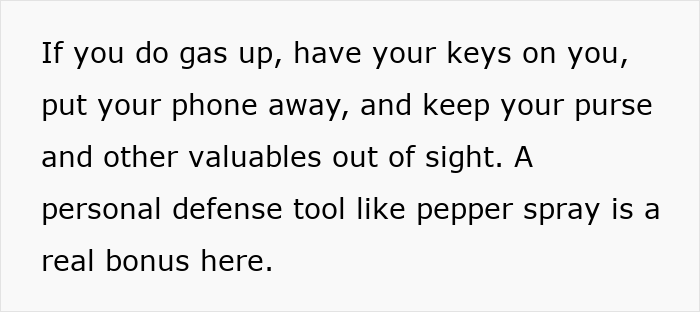
Text image with safety tips for women including having keys ready, putting phone away, securing valuables, and using pepper spray.
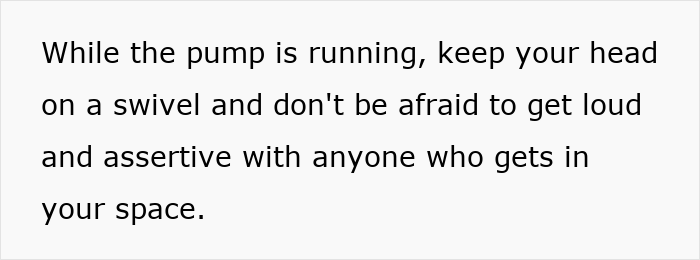
Text image showing safety tip for women to keep head on a swivel and be loud and assertive when someone invades personal space
ADVERTISEMENT
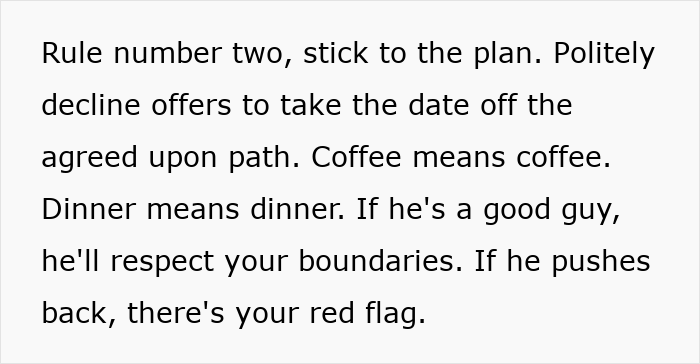
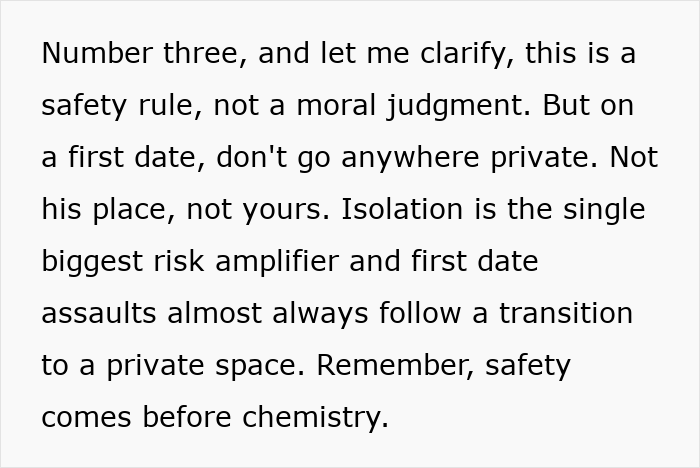
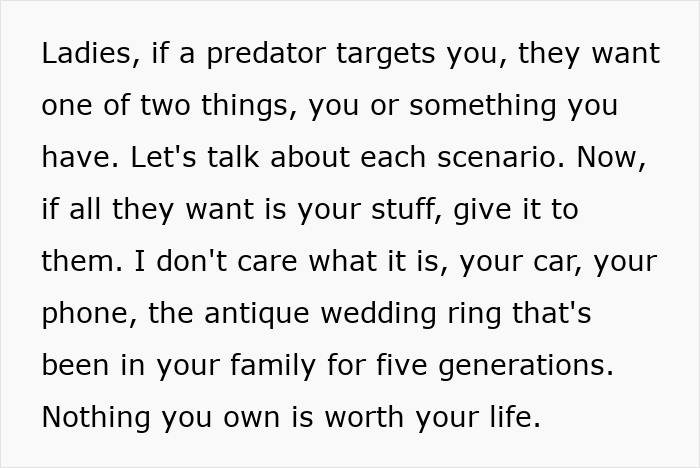
Safety tips for women from a former FBI agent emphasizing the importance of staying prepared and vigilant.
Personal safety in public spaces is a matter of proactive risk management rather than a reaction to immediate threats. While modern society is generally safer than in decades past, data from the FBI Crime Data Explorer indicates that property crimes and personal larcenies remain a consistent reality in urban environments, necessitating a disciplined approach to how we navigate our daily lives.
Maintaining safety begins with the psychological transition from a state of total distraction to one of active observation. Research conducted by the National Safety Council suggests that “distracted walking,” primarily caused by smartphone usage, has led to a significant increase in pedestrian accidents and a decrease in environmental awareness. When an individual is focused on a screen, they effectively forfeit their ability to detect subtle environmental changes or suspicious behavior, making them a more viable target for opportunistic crime.
To mitigate these risks, safety professionals often recommend the implementation of the OODA Loop, Observe, Orient, Decide, Act, a decision-making framework originally developed for military combat but highly applicable to personal security. By observing the flow of people and the layout of a street, you can orient yourself to potential hazards such as poorly lit areas or blocked exits. This level of situational awareness allows you to make decisions long before a situation escalates. Statistics show that individuals who exhibit high levels of awareness are rarely chosen as targets. A seminal study by Grayson and Stein in 1981 demonstrated that potential offenders evaluate targets based on non-verbal cues. Those who walked with a short or awkward stride, displayed downward-looking eye contact, or showed signs of hesitation were significantly more likely to be perceived as vulnerable. Conversely, walking with a steady, purposeful gait and maintaining a neutral but alert posture projects a sense of capability that acts as a natural deterrent.
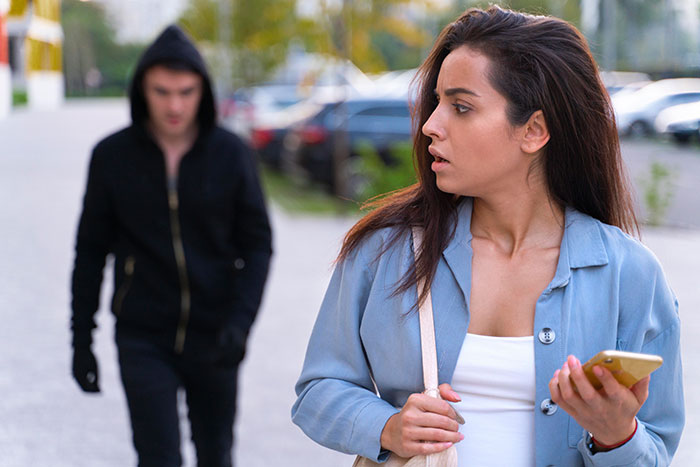
Being aware of your environment is always useful
Beyond physical presence, the routes we choose and the timing of our travels play a critical role in statistical safety. Data from urban planning studies suggest that crimes are disproportionately concentrated in “hot spots” characterized by low natural surveillance and poor lighting. It is advisable to stick to primary thoroughfares where there is a consistent flow of both pedestrian and vehicular traffic. Even if a shortcut through a park or an alley saves five minutes, the statistical risk increase rarely justifies the time saved. If you find yourself in an unfamiliar area, using a navigation app is useful, but it is safer to memorize the next three turns or use a single earbud for audio directions rather than walking with the phone held out in front of you. Keeping your hands free is essential for maintaining balance and responding to your environment, carrying heavy bags or keeping hands buried in pockets reduces your reaction time significantly.
ADVERTISEMENT
Digital tools should be used as a secondary layer of protection to enhance your physical security measures. Many modern smartphones include emergency SOS features that can be triggered discreetly, and sharing your real-time location with a trusted contact provides a digital safety net. For those utilizing public transportation or rideshare services, the protocols must be even more stringent. According to various rideshare safety reports, the most vulnerable moments occur during the initial pickup. It is a vital safety standard to verify the vehicle’s license plate and the driver’s identity before entering. Once inside, checking that the child safety locks are not engaged and tracking your own progress on a personal map ensures you are being taken to the correct destination. These small, repetitive actions form a comprehensive safety habit that reduces the likelihood of human error or predatory behavior.
The final and perhaps most important component of personal safety is the acknowledgment of the body’s physiological warning systems. The human brain is highly evolved to detect patterns that do not fit a safe environment, often manifesting as a “gut feeling” or a sense of unease. In the book The Gift of Fear, safety expert Gavin de Becker argues that intuition is a cognitive process that happens faster than conscious thought. Ignoring these signals in favor of social politeness is a common mistake that can lead to dangerous outcomes. If a situation feels incorrect, the most logical and serious advice is to remove yourself from that environment immediately. Safety is not a matter of luck, it is a calculated discipline of observing data, trusting your instincts, and maintaining a physical presence that communicates you are not a passive observer, but an active participant in your own security. By integrating these practices into your daily routine, you move through the world with a grounded, statistical advantage that prioritizes your well-being.
Commenters also gave their own tips
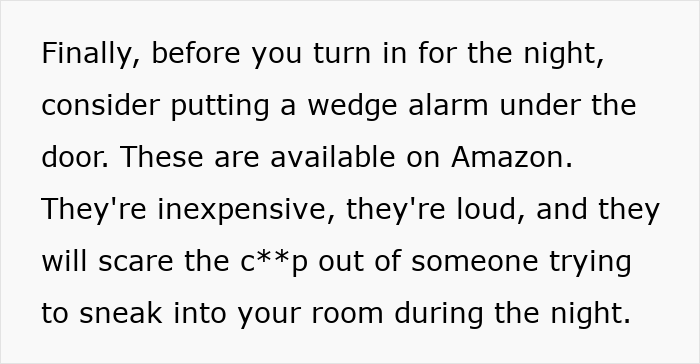
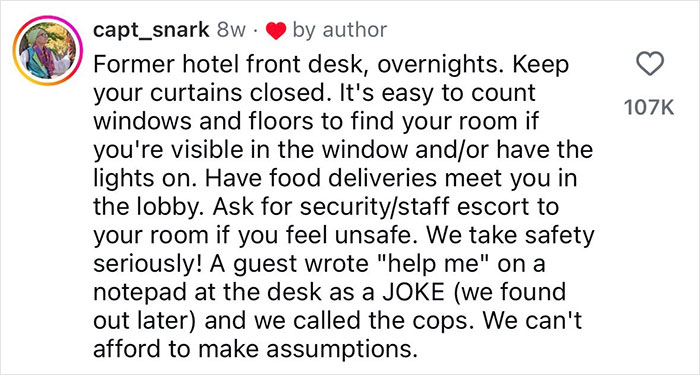
Screenshot of a social media post sharing safety tips for women from a former hotel front desk worker.
Social media safety tip for women traveling alone, advising to ask for two room keys at check-in for added security.
ADVERTISEMENT
Comment highlighting women’s safety advice from a former FBI agent, emphasizing trusting gut signals and knowing your rights.
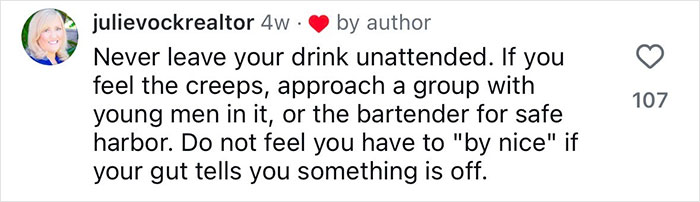
Comment by user julievockrealtor sharing safety tips for women from a former FBI agent about trusting instincts and staying alert.
Screenshot of a social media comment sharing safety tips for women to avoid being followed after a date.
Screenshot of a woman’s safety tip comment about screaming loud to protect herself from an attacker.
ADVERTISEMENT
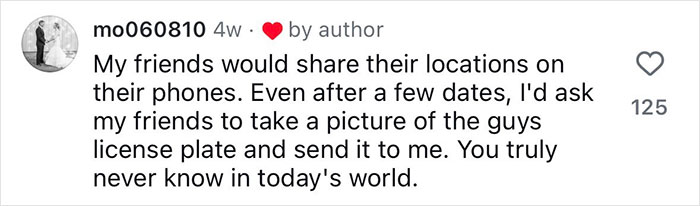
Comment about friends sharing locations and safety tips for women to stay cautious in today’s world.
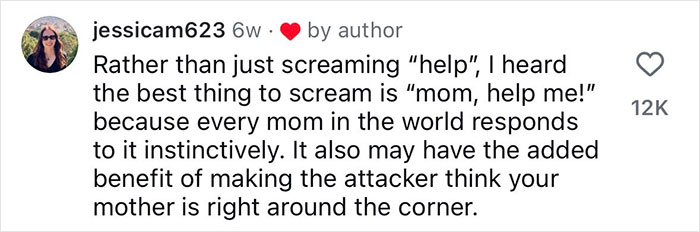
Comment by jessicam623 sharing a safety tip for women on how to call for help effectively during an attack.
Comment from a former FBI agent sharing safety tips for women about having backup while meeting someone new.
Screenshot of a social media comment emphasizing safety tips for women about not getting into a stranger’s car.
ADVERTISEMENT
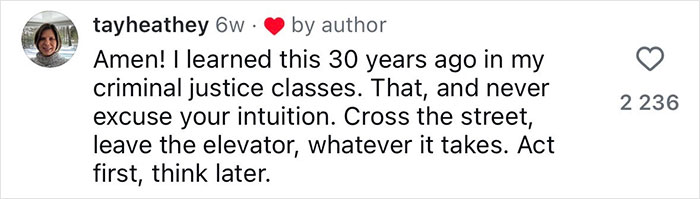
Comment about safety tips from a former FBI agent advising women to trust intuition and take precautions seriously online.
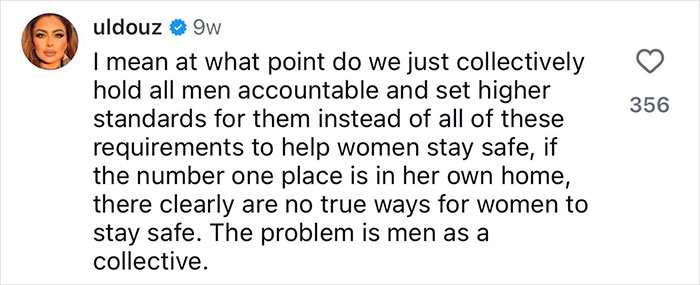
Social media post discussing accountability and safety tips for women shared by a former FBI agent.
Screenshot of a social media post showing a woman sharing a personal experience about taking safety tips for women seriously.
Comment from user bettysantlermix advising to sound car alarm panic button, carry personal alarm, and be alert for women’s safety tips.
ADVERTISEMENT
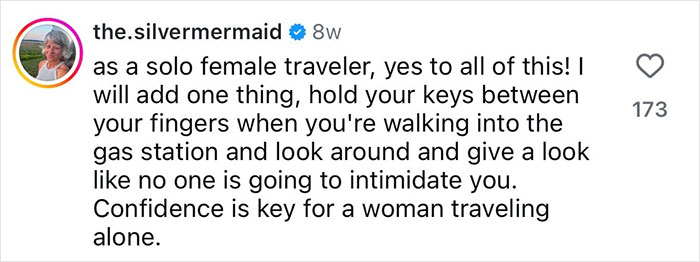
Comment from solo female traveler sharing safety tips for women, emphasizing confidence and vigilance to prevent intimidation.
Screenshot of a social media comment from a woman sharing her thoughts on safety and the ongoing challenges women face.
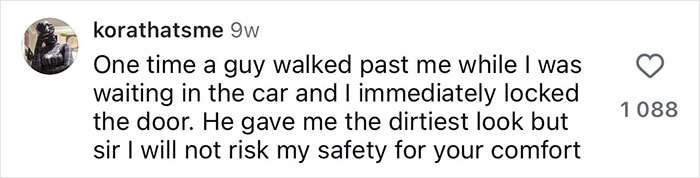
Screenshot of a social media comment about not letting wife get gas, relevant to former FBI agent safety tips for women.
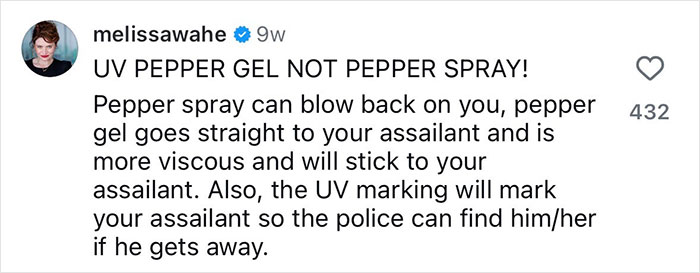
Former FBI agent sharing safety tips for women emphasizing the use of UV pepper gel instead of pepper spray.
ADVERTISEMENT
Social media post emphasizing safety tips for women and the importance of accountability among men in protection efforts.
Screenshot of a social media post emphasizing safety tips for women about concealed carry shared by a former FBI agent.
Comment on social media by user fire.by.50 expressing sadness about what women hear in contrast to men’s experiences, related to safety tips for women.
Tweet text from a verified user emphasizing the importance of safety tips for women and personal awareness.
ADVERTISEMENT
Woman shares safety tips for women warning against taking adjoining hotel rooms for personal security.
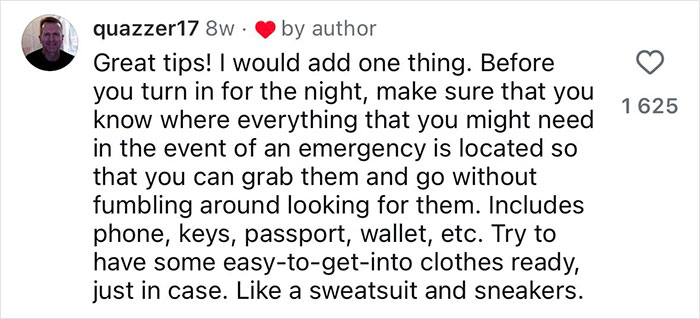
User comment about safety tips for women, emphasizing preparedness with essentials like phone, keys, and easy-to-wear clothes.
Screenshot of a social media comment by a woman sharing safety tips for women from a former FBI agent.
Comment about personal safety experience shared by a user, relevant to former FBI agent safety tips for women.
ADVERTISEMENT
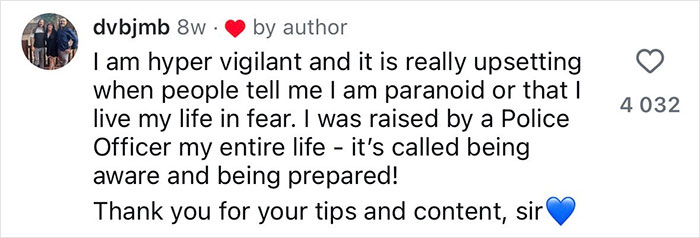
Comment expressing appreciation for safety tips from a former FBI agent, highlighting vigilance and preparedness for women.
Screenshot of a social media comment sharing personal safety tips for women, from a former FBI agent’s advice.
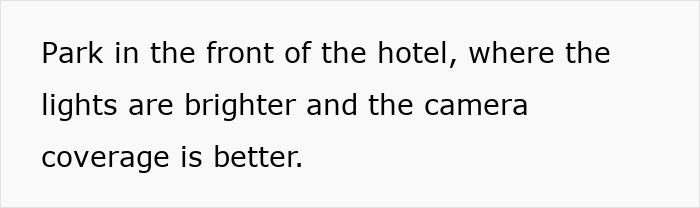
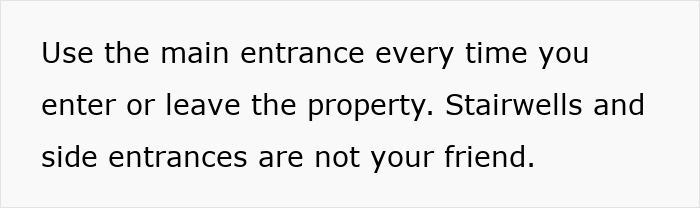
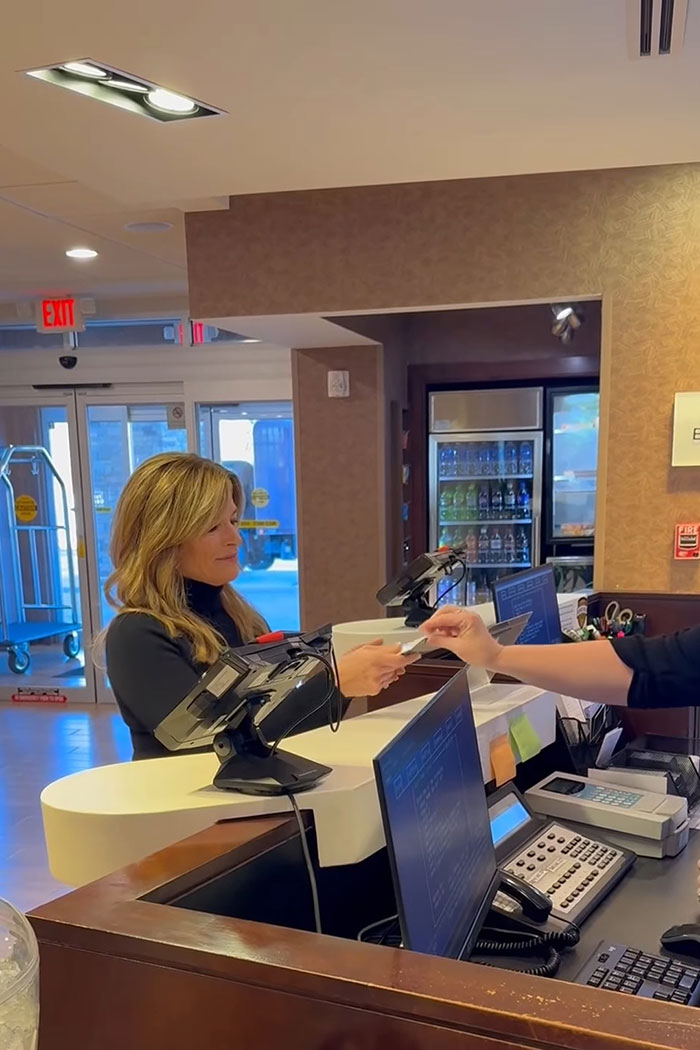
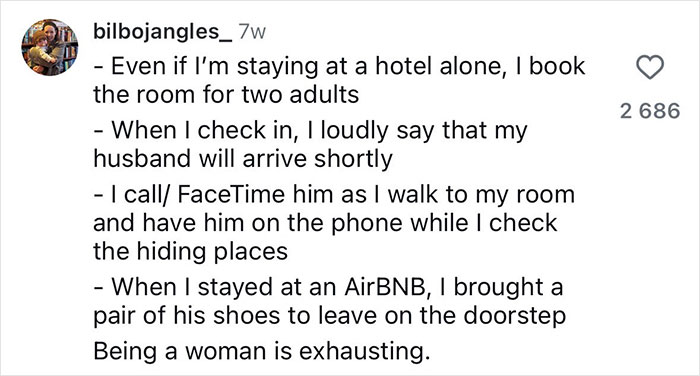
Safety tips for women from a former FBI agent including hotel and Airbnb precautions for solo female travelers.
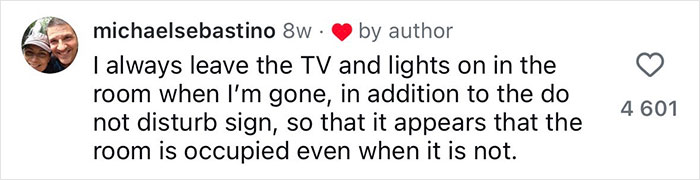
Screenshot of a social media comment sharing women’s safety tips from a former FBI agent about leaving lights on when away.
ADVERTISEMENT
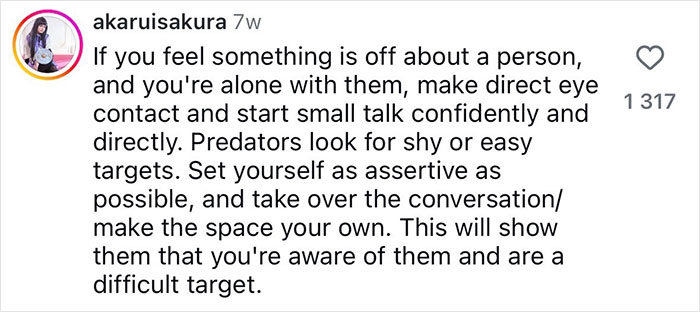
Screenshot of a social media safety tip advising women to make eye contact and be assertive to avoid predators.
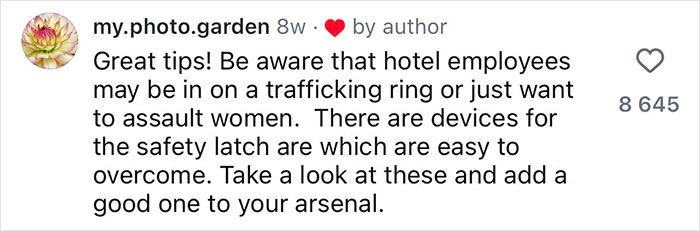
Comment on safety tips for women by former FBI agent, highlighting awareness of trafficking risks and security device weaknesses.
Thanks! Check out the results:
Total votes ·
Newsletter
Subscribe to Access Exclusive Polls
By entering your email and clicking Subscribe, you’re agreeing to let us send you customized marketing messages about us and our advertising partners. You are also agreeing to our Privacy Policy.
Thank you! You’ve successfully subscribed to newsletters!
📢 Gostou da notícia? Compartilhe com os amigos!
Este artigo é uma tradução automática de uma fonte original. Para ler o conteúdo na íntegra: Clique aqui.